Poker Bet Sizing in Texas Hold’em: A Practical Guide
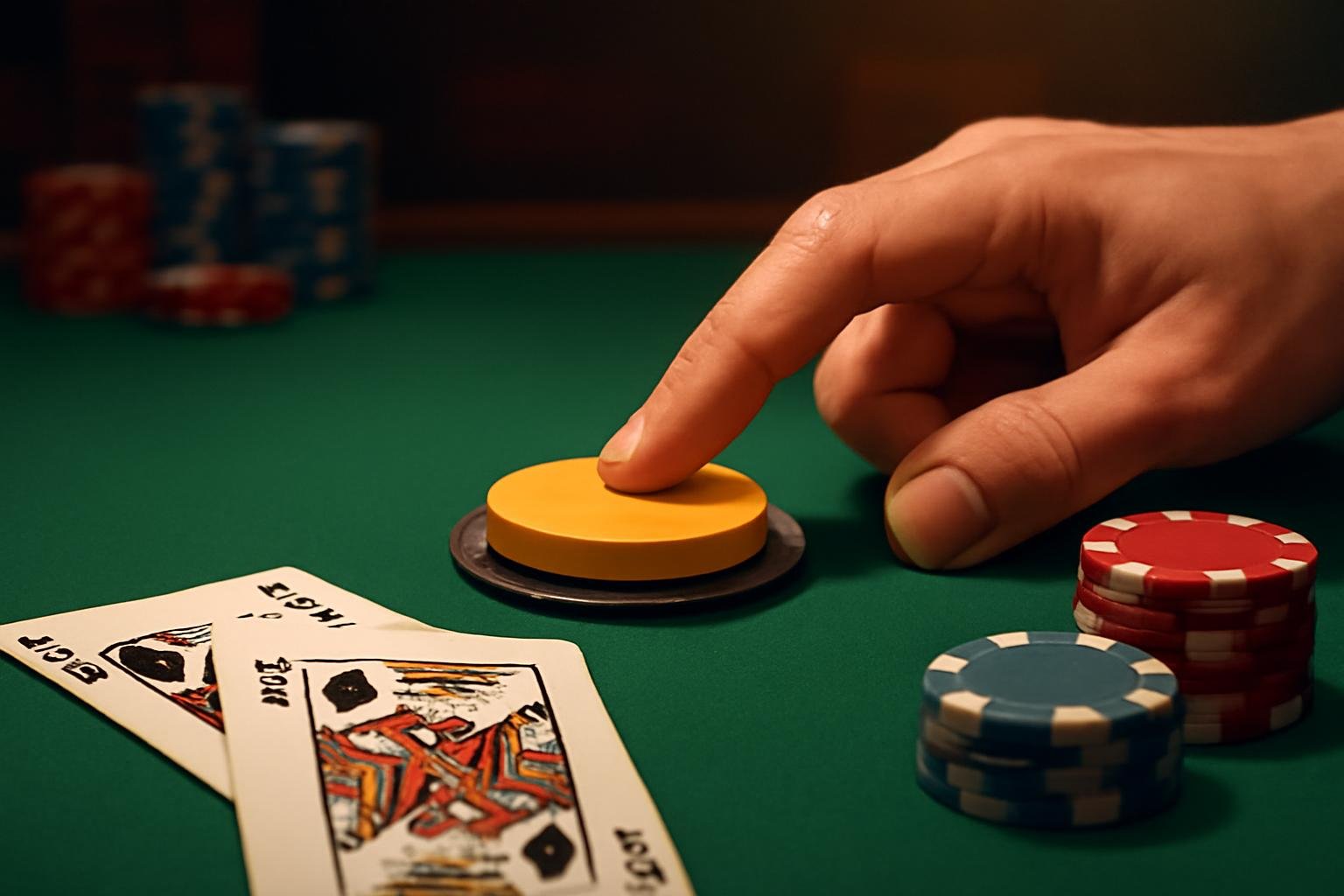
Choosing how much to bet is a separate decision from choosing whether to bet. In Texas Hold’em, a bet that is too small may give opponents an easy call, while an unnecessarily large one can put more chips at risk than the situation requires. A simple way to improve your decisions is to think in pot-sized fractions and connect each size to a clear purpose.
This guide focuses on no-limit Texas Hold’em. It won’t give you one “correct” size for every hand—board, position, opponents and stack sizes all matter—but it will give you a practical framework for choosing.
Start with the pot, not an arbitrary number
Before betting, note the pot size and decide what fraction of it you want to wager. Common reference points are one-third, one-half, two-thirds and the full pot. These are measuring tools, not mandatory settings.
For example, if the pot is 12 chips, a bet of 4 is one-third pot, 6 is half pot, and 8 is about two-thirds pot. Thinking this way makes your sizing easier to compare across hands and helps you avoid picking an amount simply because it “feels right.” If you’re still learning the betting rounds and legal actions, review the Texas Hold’em rules first.
Match the size to your reason for betting
Small bets: apply pressure without building a huge pot
A smaller bet can be useful when you want to make a modest wager while keeping the pot manageable. It may also be appropriate when the board is relatively simple and you expect your opponent to continue with many hands. But a small bet is not automatically safe: opponents may still raise, and you should know what you plan to do next.
Ask yourself: “What weaker hands might call, and what will I do if I’m raised?” If you have no answer, pause before betting.
Medium bets: a flexible default to consider
A half-pot or two-thirds-pot bet puts more pressure on an opponent than a tiny wager while avoiding the commitment of a full-pot bet. It can make sense when you have a hand that wants value from calls, or when you’re trying to make an opponent pay to continue with a draw.
For a concrete example, say the pot is 12 and you bet 6. If your opponent calls 6, the pot becomes 24 before the next betting round. That change matters: each decision contributes to how large the pot may become by the river.
Large bets: use them with a plan
A large bet can put substantial pressure on an opponent, but it also risks more chips. Before choosing a big size, consider whether you’re betting for value, as a bluff, or for both reasons depending on the response. Your story should make sense: does the action on earlier streets support the hand you’re representing?
Large bets are not a shortcut to winning a pot. If your opponent has a strong hand, a bigger wager can simply cost more. When you’re unsure, compare the amount you’re risking with the pot and the likely hands that could call.
Three factors that should change your sizing
- Board texture: A board with several possible draws can call for a different approach from a board with few obvious ways for hands to improve. Consider what the community cards offer both players.
- Opponent tendencies: Some players call often; others fold readily or raise aggressively. Adjust based on what you have actually observed, rather than assuming every opponent reacts the same way.
- Position and action: Acting later gives you more information about what opponents have done. The button position guide explains why position affects your decisions, including how you approach postflop action.
Also keep the effective stack in view: that is the smaller stack still involved in the hand. A bet that looks modest compared with the pot may represent a large share of that player’s remaining chips.
A quick checklist before you bet
- What is the pot size, and what fraction am I betting?
- Am I betting for value, as a bluff, or to deny a draw a cheap card?
- Which hands might call, fold or raise?
- What will I do if my opponent continues?
When a call is the decision instead, compare the price you’re being offered with your hand’s chances; the site’s guide to pot odds in poker explains that comparison.
Practise consistency, not a magic formula
After a session, review a few hands and write down the pot size, your bet fraction and your reason for choosing it. Look for decisions that had no clear purpose, rather than judging every bet only by whether you won the hand. Consistent sizing logic won’t remove uncertainty, but it makes your choices easier to understand and improve.
Takeaway: Estimate the pot, choose a size that fits your goal, and decide in advance how you’ll respond to resistance. A bet is strongest when its amount and purpose belong to the same plan.